
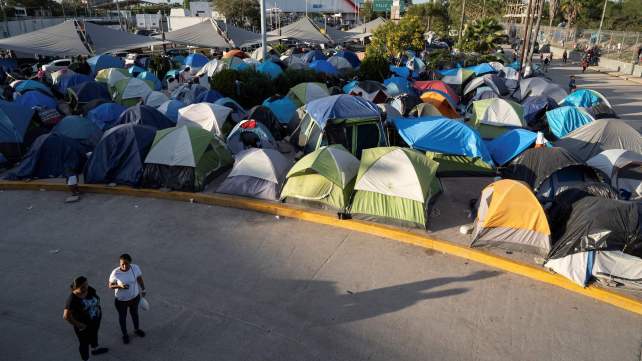
At the border, 2019 felt like two separate years. The first ran from January through May, as the number of families crossing the border climbed to previously unimaginable highs. The second began in June, when the Trump administration began to succeed in its effort to effectively end asylum at the southern border.
In the first half of the year, record numbers of Central American parents and children crossed the border together. A 2015 court ruling barred the government from detaining children for more than about 20 days, and word had spread through Central America that families could come to the border and be quickly released. Unlike adults traveling alone, families were generally looking to turn themselves in to Border Patrol agents so that they could live and work in the United States until their court dates.